

Hiking is an excellent outdoor activity, but weather plays an important role, hiking in cold weather becomes intense and requires extra attention to details. Following are some tips to consider while going out for your outdoor hiking in cold weather:
You May Also like:
Cold is our friend:
Yes, you read it right. Never be afraid of cold; it is our friend. Cold exposure has shown significant benefits for overall well-being, whether physical or mental. Wim Hof, one of the sensations over the internet for a decade has shown remarkable resilience against cold weather. Some of his quotes get you motivated to do hiking in cold weather.
If you don’t go to the cold, then the cold will come to you.” – Wim Hof
Cold is a stressor, so if you are able to get into the cold and control your body’s response to it, you will be able to control stress.” Wim Hof
Yes, my teacher is the cold.” Wim Hof
Layer clothing for hiking in cold weather:

A good strategy to go out for hiking in cold weather is to wear clothes in layer. Cover up the body with at least three layers:
- Base layer: a close-fitting undershirt, it will keep your skin dry from sweat which is the first defense against cold weather. Avoid wearing cotton or stuff that gets damp as it invites chills and shivering when the cooling process of evaporation begins after you stop for a break during a long hike.
- Mid layer: Fleece, Merino wool, synthetic, silk, or bamboo fibers is recommended for the mid layer.
- Outer layer: A zipper or jacket that protects you from chilly winds and rainy conditions. Nylon or polyester that is breathable, water proof and wind resistant is recommended for outer layer.
Warm cap, gloves and wool socks:
There is no bad weather, only poor clothing choices that restricts you from hiking in cold weather. Wearing a warm woolen cap that covers your head and ears is good enough to go outdoors in cold weather. Pair of gloves; wool, fleece, polyester or leather all are recommended for hiking in cold weather. Socks made of wool, shearling, fleece and similar synthetic material should be worn to protect you in cold weather conditions.
Less traffic on trail while hiking in cold weather:
One of the major advantage of hiking in cold weather is you won’t find flux of people on a hiking trail. With rising population around the globe, winter hiking is the good time to enjoy your hike without much of distractions. The area seems to be more peaceful and calm which is quite meditative. Less traffic allows focused hiking with concentration.
Important minerals and nutrients are retained while hiking in cold weather:
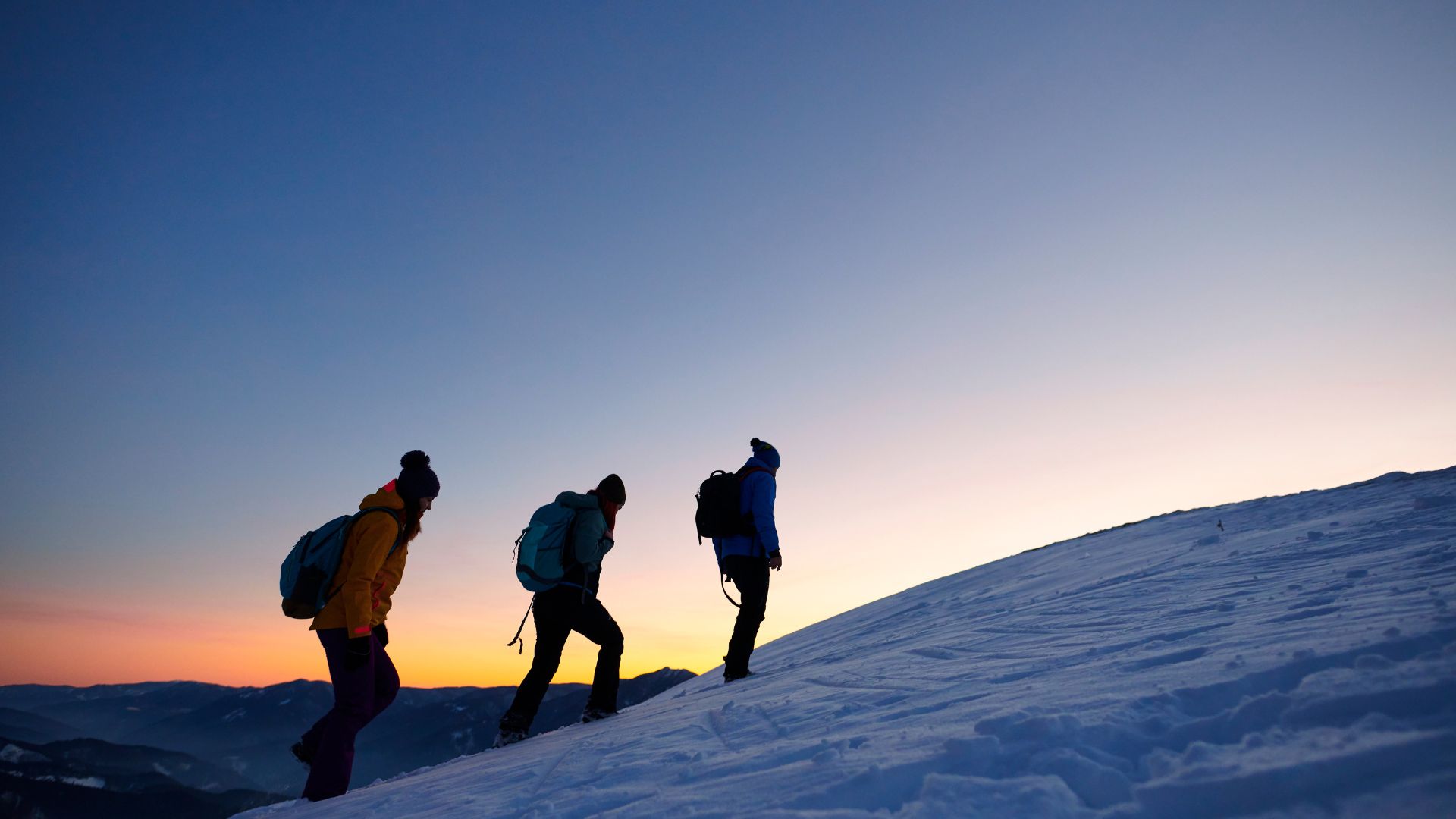
Hiking in cold weather retains the minerals and important nutrients as compared to hiking in hot weather conditions. In hot weather conditions fluid loss is common due to excessive sweating. Handful of dry nuts, chocolates and a small water bottle suffice your body need of water level in cold weather.
Change is the only constant:
The same trail offers different scenery due to change in weather conditions while hiking in cold weather. The path and terrain is clearer with a chance to observe different wildlife animals and birds. The wanderlust is satisfied by watching the nature with a different perspective, a different lens.
Full day hike is possible:
Hiking in cold weather allows accomplishing the task of full day hike as compared to hot weather. There are patches of day where hiking becomes intense due to scorching sun during summers which is not the case in winters. Even though long distance hiking is achievable, completing the hike during daylight is recommended to be at the safe side. Pushing too hard requires energy and containing the body heat is crucial to avoid hypothermia and chills.
Hiking in cold weather vs hot weather

Following table illustrate some points that demonstrate clearly the difference of hiking in cold weather vs hot weather:
COLD WEATHER VS HOT WEATHER
|
|
|
|
|
|
|
|
|
|
|
|
|
|
Risk of Hypothermia and frostbite:
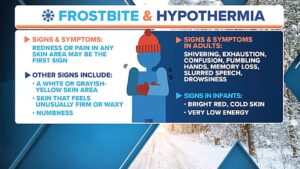
Risk is something that is always present; it cannot be eliminated only mitigated. We apply certain measures to control that risk. Hiking in cold weather associates higher chances of hypothermia and frostbite (in areas with temperature dropping below minus). Hypothermia occurs when your body temperature drops below normal range due to heat loss resulting from overexertion and/or exposure to cold weather conditions. Shivering is the first sign to be noticed in someone catching hypothermia. The symptoms could be mild to severe depending on the exposure time.
Mild Moderate Severe
|
|
|
|
|
|
|
|
|
Response in treating hypothermia:
If there is a condition someone catches hypothermia, immediately change the hiker’s environment. If possible move indoors, else moves away from chilly winds and snow as soon as possible. Give some warm fluids and food to recover lost energy. In case of severe condition call for emergency help.
Conclusion:
There is no bad weather rather poor planning resulting in high risk of weather related ailments. Good planning saves you lot of trouble and time. Don’t push too hard and always be mindful of your body limits and capacity. Listen to your body and act accordingly. Enjoy hiking in cold weather with adequate risk assessment about weather forecast, clothing, shoes and time-selection. Happy hiking!
Amazing work, very informative article. Keep it up